How to Maintain Your Home Plumbing System Year-Round
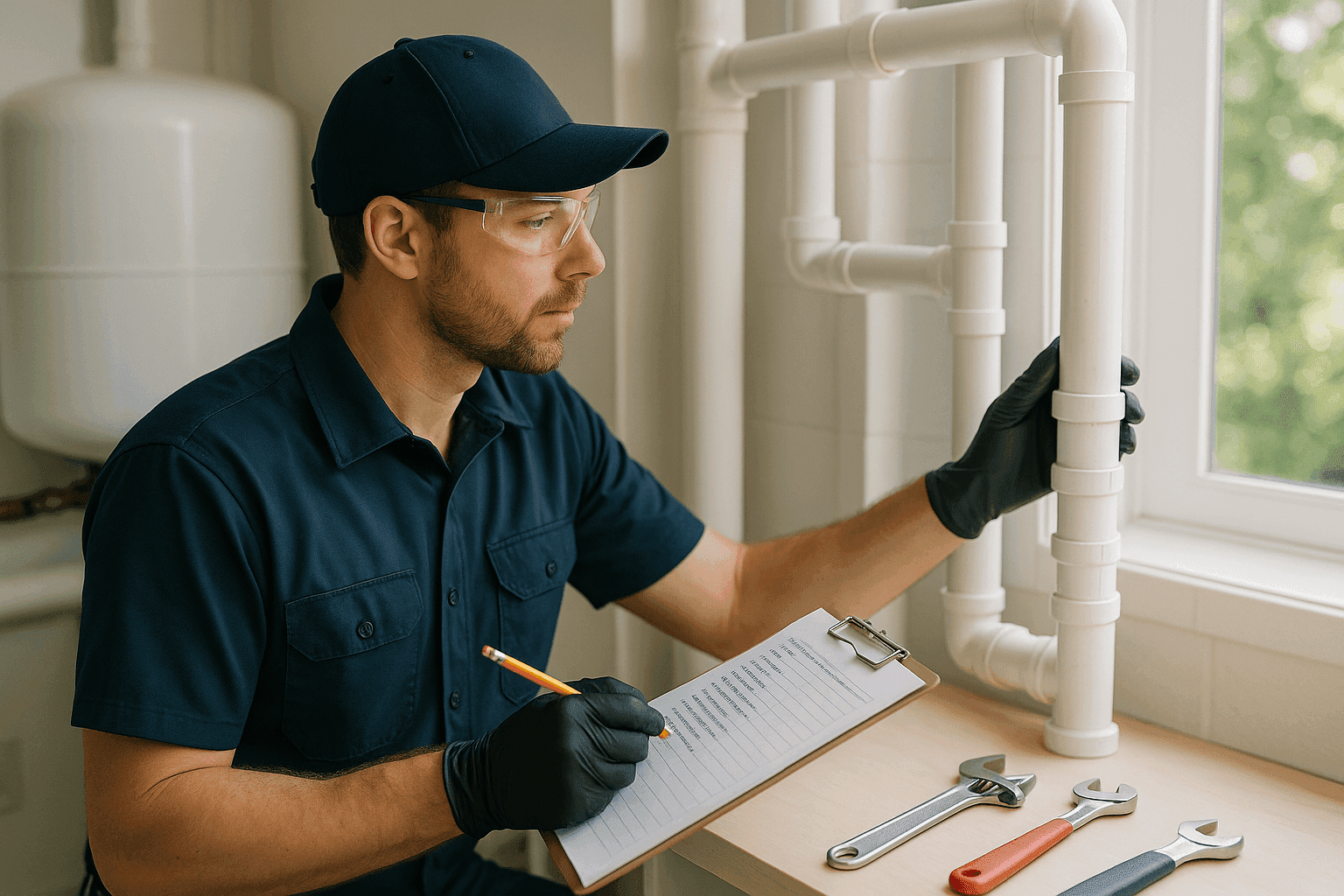
Is your home’s plumbing system quietly working behind the scenes—until something goes wrong? For most homeowners and small business owners, plumbing is out of sight, out of mind. Until there’s a leak. Or a clog. Or water where it shouldn’t be.
A little attention goes a long way. At National Plumbing, we’ve helped folks avoid costly emergency plumbing nightmares just by following some simple, year-round habits. Here’s how you can do the same.
Why Regular Plumbing Maintenance Matters 🚰
Imagine your plumbing as the veins of your home. When they’re clear and healthy, everything flows. But one small blockage or leak? It can snowball into major headaches.
Regular maintenance means:
- Fewer emergencies (and midnight calls for help)
- Lower water bills (no more hidden leaks draining your wallet)
- Safer water for your family or business
- Longer-lasting pipes, fixtures, and appliances
Ignoring small issues is like ignoring a slow drip from a faucet. Over time, that drip can wear down pipes, cause mold, and even damage your foundation. According to the International Association of Certified Home Inspectors, routine checks can prevent most plumbing failures before they start.
Seasonal Plumbing Maintenance Checklist
Every season brings its own plumbing challenges. Think of this as your year-round to-do list—simple steps to keep everything running smoothly.
Spring
- Inspect for leaks: Winter can be rough on pipes. Check under sinks, behind toilets, and around appliances.
- Test water pressure: Low pressure can signal hidden leaks or blockages.
- Clean gutters and downspouts: Prevent backups that could flood your basement.
- Check outdoor faucets: Look for leaks or drips after winter’s freeze.
Summer
- Clear slow drains: Hair, soap, and debris build up over time. Use a safe drain cleaner or a plumber’s snake.
- Inspect washing machine hoses: Hot weather can speed up wear and tear.
- Check sump pump: Heavy summer storms? Make sure your pump is ready to keep water out.
- Look for signs of sewer line trouble: Gurgling drains or foul smells need attention.
Fall
- Flush water heater: Sediment builds up, making your heater work harder.
- Insulate exposed pipes: Get ready for winter freezes.
- Test shut-off valves: Make sure you can turn off water quickly in an emergency.
- Schedule backflow testing: Especially important for small businesses.
Winter
- Keep faucets dripping on freezing nights: Prevent frozen pipes.
- Check boiler and water heater: Ensure safe, steady hot water.
- Seal foundation cracks: Stop cold air from reaching vulnerable pipes.
- Know your main shut-off location: Fast action can prevent major water damage.
Common Plumbing Issues to Watch For
Even with regular care, some problems can sneak up on you. Here’s what to watch for:
Signs of Leaks
- Unexplained water bills rising
- Damp spots on walls, ceilings, or floors
- Musty smells or visible mold
Clogs and Slow Drains
- Water pooling in sinks or tubs
- Gurgling noises from drains
- Toilet backing up more than once
Water Pressure Problems
- Sudden drops in shower or sink pressure
- Whistling or banging pipes (water hammer)
When to Call a Professional
- Water where it shouldn’t be (ceilings, floors, or electrical areas)
- Any sign of sewage backup
- Gas smells near appliances or pipes
- No hot water or strange noises from your water heater
DIY Tips vs. When to Hire a Pro
Some plumbing jobs are like changing a lightbulb—simple and safe. Others are more like rewiring your house—best left to the pros.
Safe DIY Maintenance
- Tighten loose faucet handles
- Clean faucet aerators and showerheads
- Use a plunger for minor toilet or sink clogs
- Pour baking soda and vinegar down drains for a natural clean
- Check appliance hoses for cracks or bulges
Red Flags: Call National Plumbing
- Persistent leaks you can’t find
- Water stains or mold growth
- Gas line concerns (always call for these)
- Strange noises from pipes or water heater
- Any sign of backflow or sewage issues
Remember: Plumbing codes and safety standards exist for a reason. The Uniform Plumbing Code (UPC) and International Plumbing Code (IPC) set guidelines to keep homes and businesses safe. When in doubt, get professional help.
Emergency Prevention Strategies
Emergency plumbing calls can often be avoided with a few smart habits:
- Backflow prevention: Install and test backflow devices. This keeps contaminated water from mixing with your clean supply.
- Sump pump upkeep: Test before storm season. Clean the pit and check for power supply.
- Gas safety checks: If you have gas lines, schedule regular inspections for leaks.
- Know your shut-off valves: Make sure everyone in your home or business knows where they are.
- Preventative maintenance: Schedule annual inspections with a licensed plumber for peace of mind.
Frequently Asked Questions
How often should I have my plumbing inspected?
At least once a year is a good rule of thumb. If you own an older property or have frequent issues, consider more frequent checks.
Can I use chemical drain cleaners?
It’s best to avoid harsh chemicals. They can damage pipes, especially older ones. Try natural solutions or call a professional for stubborn clogs.
What should I do if a pipe bursts?
Shut off your main water supply immediately. Then call for emergency plumbing help. Quick action can limit damage.
Is it normal for pipes to make noise?
Some noise is normal, especially when water starts or stops suddenly. But loud banging, whistling, or persistent sounds may signal a problem worth investigating.
Special Considerations for Home and Small Business Plumbing
- Water filtration systems: Regularly change filters to keep water clean.
- Commercial fixtures: Business owners should check for leaks and ensure restrooms are always in working order.
- Repiping older buildings: If your property is more than a few decades old, have pipes inspected for corrosion or outdated materials.
- Sewer line inspection: Tree roots and shifting soil can cause hidden damage. Video inspections can catch problems early.
Take Action Before It’s an Emergency
A few minutes each season can save you hours—and thousands of dollars—in repairs. Don’t wait for a small drip to become a flood.
For routine maintenance, urgent issues, or peace of mind, National Plumbing is here to help. Our team handles everything from leak detection and drain cleaning to emergency plumbing and gas safety checks.
Call National Plumbing now — or reach us anytime at 844-484-2680 .