How to Unclog a Toilet: Step-by-Step Solutions for Homeowners
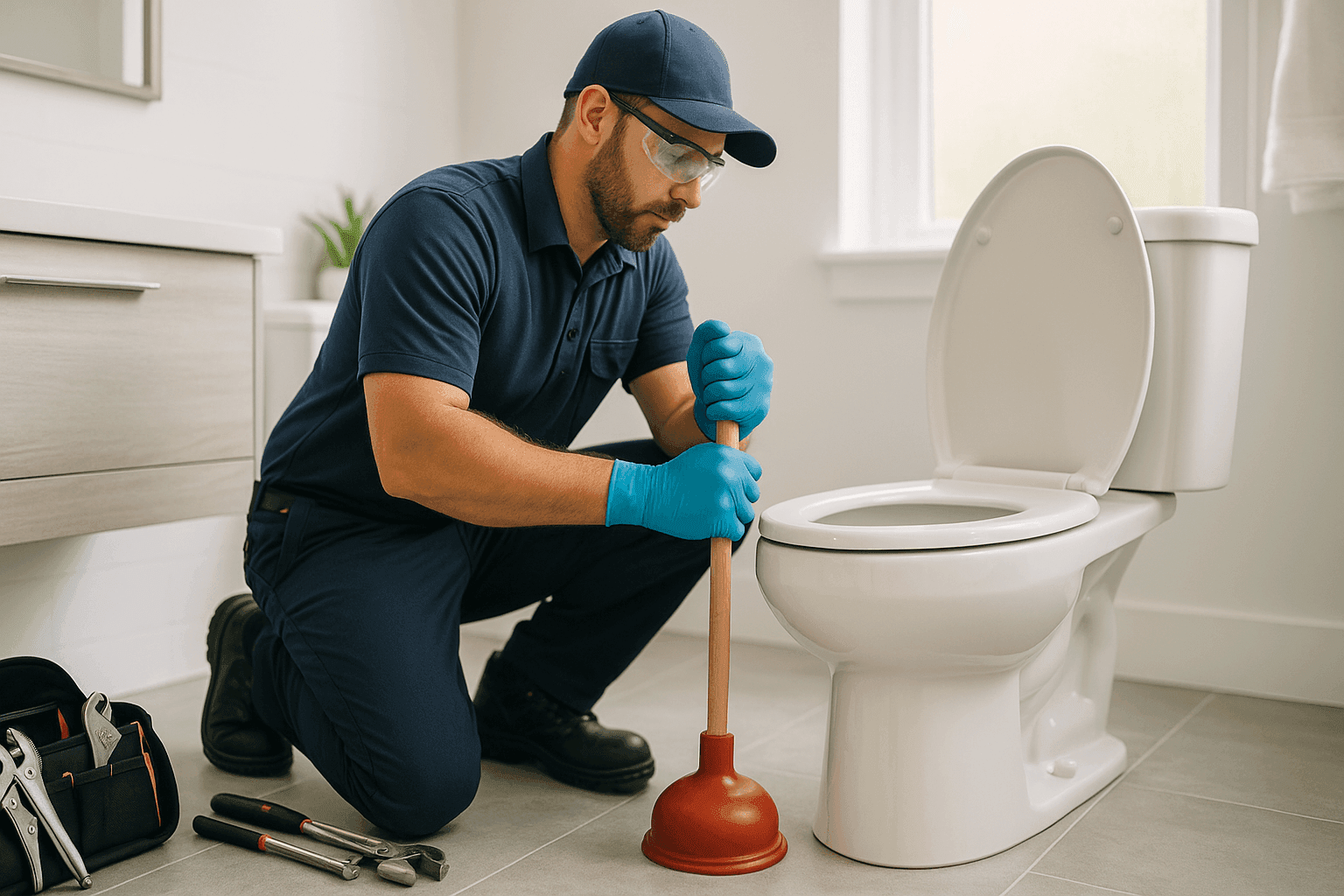
Having a clogged toilet can bring your day to a screeching halt. One minute, everything’s flowing smoothly. The next, you’re staring at rising water, heart pounding, and wondering what to do next.
At National Plumbing, we know how stressful—and urgent—these moments feel. Whether you’re a homeowner or managing a busy business, a blocked toilet is never just an inconvenience. It’s a plumbing emergency waiting to happen. Here’s your clear, step-by-step guide to getting things moving again—safely, quickly, and with confidence.
Why Toilets Get Clogged—and What You Can Do About It 🚽
Toilets are workhorses, but even the toughest ones have their limits. Here’s what usually causes them to clog:
- Too much toilet paper: Even “flushable” wipes can cause trouble, especially in older plumbing systems.
- Non-flushable items: Toys, feminine hygiene products, paper towels, or anything that isn’t waste or toilet paper belongs in the trash, not the toilet.
- Low-flow toilets: Designed to save water, but sometimes don’t have enough oomph to clear everything away.
- Hard water buildup: In many regions, minerals from hard water can narrow drain pipes over time, making clogs more likely.
- Aged or damaged pipes: Cracks, tree roots, or corrosion can trap debris, leading to stubborn blockages.
Knowing what caused your clog helps you pick the right fix—and avoid future headaches.
Quick Safety Checklist Before You Start
Safety first! Before you reach for a plunger, check these essentials:
- Gloves: Always wear rubber gloves to protect your hands from germs and cleaning chemicals.
- Eye protection: Splashes happen—goggles are your friend.
- Ventilation: Open a window or turn on the fan. Some cleaning solutions give off fumes.
- Clear the area: Remove rugs, towels, or anything you don’t want getting wet.
- Know your shutoff valve: If water starts to overflow, turn off the water supply behind the toilet fast.
These steps keep you safe and your bathroom cleaner. The U.S. Centers for Disease Control and Prevention (CDC) recommends these practices for basic sanitation.
DIY: How to Unclog a Toilet, Step by Step
You don’t need a toolbox full of gadgets or a plumber’s license. Here’s how most homeowners can clear a clog:
1. Wait and Watch
Sometimes, water pressure does the trick. Give it 10–20 minutes; water levels may drop as the clog loosens naturally.
2. Grab a Quality Plunger
Not all plungers are created equal! For toilets, use a flange plunger—the one with the extended rubber lip. Here’s how:
- Place the plunger over the drain, making a tight seal.
- Push down gently, then pull up sharply. Repeat 10–20 times.
- Watch for water draining away—listen for that satisfying gurgle.
- (Tip: Add a few inches of water if the bowl is empty. It helps create suction.)
3. Try a Toilet Auger
Still clogged? Reach for a toilet auger (also called a closet auger). It’s a flexible, crank-handled cable designed for toilets.
- Feed the tip gently into the drain.
- Crank the handle clockwise, working the cable through the blockage.
- Withdraw slowly, pulling out debris if needed.
- Flush to check your work.
4. Safe Drain Cleaning Solutions
Skip harsh chemicals—they can damage pipes and are often not recommended by the Environmental Protection Agency (EPA). Instead:
- Mix one cup baking soda with two cups hot (not boiling) water. Pour into the bowl, followed by two cups vinegar.
- Wait 15–30 minutes, then try plunging again.
5. Don’t Forget the Tank
Sometimes, a stuck flapper or faulty fill valve is the real culprit. Make sure your toilet tank parts are working smoothly.
Special Tips for Low-Flow Toilets
Low-flow toilets are champions of water conservation, but they can be finicky.
- Flush twice for heavier loads, if needed.
- Use thin, easily dissolvable toilet paper.
- If your home has hard water, consider regular descaling to prevent mineral buildup. Hard water is common in many areas and can reduce flush power over time.
If you notice frequent clogs, it might be time to upgrade or inspect your unit for hidden issues.
Health Precautions and Hygiene
Remember, toilet water isn’t clean. Protect yourself and your family:
- Always wash hands thoroughly after any plumbing work.
- Disinfect tools after use.
- Clean up any spills with bleach or a disinfectant recommended by the CDC.
- Dispose of contaminated rags and gloves in a sealed bag.
DIY vs. When to Call a Plumber
Some clogs just won’t budge—or keep coming back. When should you reach for the phone instead of the plunger?
Tackle It Yourself If:
- The water isn’t rising dangerously.
- You haven’t tried more than twice with a plunger or auger.
- There’s no sign of sewage backing up into other drains.
Call National Plumbing If:
- Water is overflowing and won’t stop.
- You hear gurgling in nearby sinks or tubs (signs of a mainline blockage).
- Clogs happen more than once a month.
- You’ve tried everything, and nothing works.
Remember, repeated clogs can indicate deeper pipe issues that need professional attention—think “pipe repair near you” for peace of mind.
What Pros Do On Arrival
When National Plumbing arrives, here’s what you can expect:
- Assessment: We check the toilet, pipes, and main sewer line.
- Professional tools: From heavy-duty augers to video inspections, we find the blockage fast.
- Safe solutions: No harsh chemicals—just proven techniques that keep your pipes healthy.
- Recommendations: If we spot bigger issues (like tree roots or collapsed pipes), we’ll explain your options.
Our plumbers follow local plumbing codes and industry standards, so you know the job’s done right.
Prevention & Maintenance: Keeping Clogs Away 🛡️
Prevention is always better than a messy, urgent fix. Here’s how to keep things flowing:
- Only flush waste and toilet paper—never wipes, cotton swabs, or sanitary products.
- Teach kids what not to flush.
- Schedule preventative maintenance (especially in older homes or businesses).
- Install a water softener if hard water is a problem in your area.
- Regularly check for leaks or slow drains.
The Plumbing-Heating-Cooling Contractors Association (PHCC) recommends annual inspections for peace of mind.
Costs & Time Factors: What to Expect
Every situation is different, but here’s a ballpark idea:
- DIY fix: Most clogs clear in 10–30 minutes with basic tools.
- Professional visit: Depending on the severity, expect 30–90 minutes on average.
- Costs: DIY costs are minimal (just the price of a plunger or auger). For emergency plumbing, rates depend on the time, severity, and location.
Hidden costs—like water damage or pipe repair—can add up if you delay. Quick action is usually the most affordable!
When It’s an Emergency
Some clogs can wait. Others can’t. You need emergency plumbing if:
- Water is flooding your bathroom.
- Sewage backs up into your home or business.
- You smell gas or suspect a leak (immediately exit and call for help).
- Plumbing issues threaten safety or property.
Don’t wait for disaster. Emergency plumbing is just a call away—day or night.
FAQ: Quick Answers to Common Toilet Clog Questions
Q: Can I use chemical drain cleaners?
A: It’s best to avoid them. They can corrode pipes, harm the environment, and are often not recommended by the EPA.
Q: Why does my toilet clog so often?
A: Frequent clogs usually mean there’s a deeper issue—could be hard water buildup, old pipes, or something stuck further down the line.
Q: Is it safe to try unclogging a toilet myself?
A: Yes, for minor clogs. Always use gloves, wash up thoroughly, and stop if you notice flooding or sewage backups.
Q: Will a plunger always fix the problem?
A: Not always. If the clog is deep or caused by a non-flushable object, you’ll need an auger or professional help.
Local and Seasonal Considerations
In many regions, hard water is a quiet culprit. Over time, minerals build up inside drain pipes, making clogs more common—especially during dry seasons when water use rises. If your water feels “crunchy” or leaves spots on dishes, you may have hard water at home.
Winter can make things worse. Cold pipes slow down water flow and can cause blockages to solidify. Schedule preventative maintenance before the temperature drops, and consider insulating pipes if you live in a colder climate.
Ready for a Fresh Start?
A clogged toilet doesn’t have to ruin your day—or your plumbing. With the right tools and know-how, most blockages can be cleared safely at home. But for stubborn clogs, recurring issues, or emergencies, National Plumbing is here 24/7.
Call National Plumbing now — or reach us anytime at 844-484-2680 .