Pipe Leak Detection: Signs, Causes, and Next Steps
Every drip. Every trickle. They might seem minor at first, but a hidden pipe leak can quickly balloon into a full-blown emergency. Whether you’re a homeowner or manage a busy facility, water damage catches everyone off guard.
National Plumbing understands how stressful it feels when you spot that first damp patch or hear water running where it shouldn’t. Our teams have seen it all—from small under-sink leaks to ruptured pipes flooding entire basements. The good news? You can spot telltale signs early and act fast to protect your property.
Pipe Leaks: Why Early Detection Matters
A pipe leak isn’t just an inconvenience. Left unchecked, it can wreck floors, walls, and even your building’s foundation. Think of a small leak like a slow puncture in a tire—it doesn’t stop on its own and only gets worse with time.
Here’s the challenge: Many leaks hide behind walls, under slabs, or outdoors. The signs aren’t always obvious. That’s why knowing what to look for—and acting quickly—matters.
Interior vs. Exterior Leaks
Leaks can spring up inside or outside your building. Each brings its own headaches:
- Interior leaks: Often found behind walls, under floors, or above ceilings. You’ll notice damp drywall, bubbling paint, musty smells, or warped flooring.
- Exterior leaks: Usually from underground pipes running to your house or business. Signs include soggy patches in the yard, unexplained puddles, or rapid plant growth in one spot.
Sometimes, you might see both—especially if water pipes run through unheated crawl spaces or basements.
Warning Signs of Hidden Pipe Leaks
Not all leaks announce themselves with a cascade of water. Keep an eye (and nose) out for these red flags:
- Sudden spike in your water bill: If your usage hasn’t changed, a leak may be the culprit.
- Low water pressure: When water escapes before reaching your faucet, the flow drops.
- Damp, discolored spots: Wet patches on walls or ceilings, especially with yellow or brown stains.
- Musty or earthy odors: Mold loves moisture. If you notice a persistent smell, check for hidden leaks.
- Sounds of running water: When no taps are open, that trickling noise could be water escaping behind the scenes.
- Cracks in foundation or walls: Water can erode supports over time.
If you see any of these, don’t brush them off. A small leak can quickly become an emergency plumbing issue.
Quick Safety Checklist 🚨
Before you do anything, keep safety at the top of your mind. Water and property damage are bad enough—mix electricity or gas, and things get risky fast.
- Shut off the main water supply if you suspect a major leak.
- Move electronics and valuables away from wet areas.
- Avoid standing water near electrical outlets.
- If you smell gas, leave the area immediately and contact emergency services.
- Note where the leak is for your plumber.
Common Causes of Pipe Leaks
Every leak tells a story. Here are some usual suspects:
- Corrosion: Older pipes, especially galvanized steel or copper, can rust and develop pinhole leaks over decades.
- Shifting soil or building movement: Changes in foundation or soil conditions can twist or crack pipes.
- High water pressure: Too much pressure stresses joints and seams—think of a balloon stretched too tight.
- Clogs and blockages: Pressure builds up behind blockages, forcing water to escape at weak points.
- Freezing and thawing: In colder regions, water expands as it freezes, splitting pipes open. The freeze-thaw cycle is notorious for winter leaks.
- Poor installation or materials: Sometimes, shortcuts taken during construction show up years later.
DIY or Call a Pro?
It’s tempting to grab a wrench and fix things yourself. Sometimes, that’s fine—like tightening a loose fitting under the sink. But many leaks hide where you can’t see or reach. And temporary fixes can make things worse.
When DIY Might Work
- Dripping faucet or visible pipe joint under a sink.
- Loose connections on exposed pipes.
When to Call National Plumbing
- Water stains on ceilings or walls.
- Low pressure throughout the house.
- Suspected underground or slab leaks.
- Musty odors or visible mold.
- Recurring leaks.
Remember, water damage can escalate quickly. Emergency plumbing isn’t just for midnight floods—it’s for any leak you can’t safely handle on your own.
What Plumbers Do When They Arrive
So, you’ve called for pipe repair near you. What happens next?
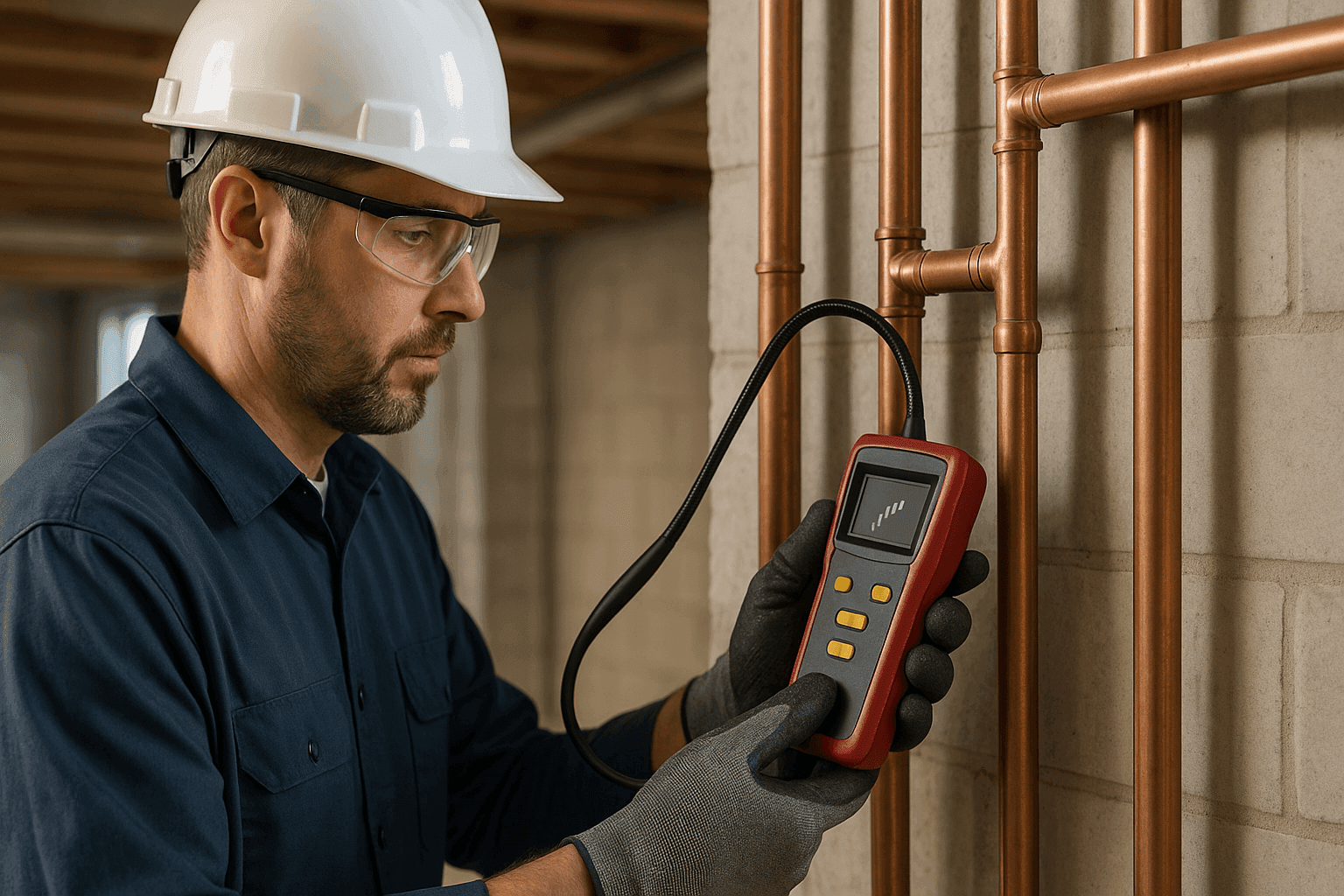
- Inspection: Plumbers use specialized tools—like electronic leak detectors and thermal cameras—to pinpoint the leak without tearing up your property.
- Moisture mapping: Checking how far water has spread behind walls or under floors.
- Pipe isolation: Locating and shutting off the affected section.
- Repair or replace: Depending on the damage, this could mean patching, replacing a section, or repiping.
- Testing: Making sure water pressure is restored and the fix holds.
- Cleanup advice: Guidance on drying and mold prevention.
Our teams at National Plumbing are trained to minimize disruption, keeping your home or business safe during repairs.
Preventing Future Leaks
Think of pipes like arteries—they need regular checkups. Here’s how to keep leaks at bay:
- Schedule annual plumbing inspections (per local building codes).
- Insulate pipes, especially in unheated spaces, to prevent freezing.
- Install pressure regulators if your water pressure is high.
- Don’t ignore slow drains—they can signal clogs building up.
- Use water leak sensors for early alerts (especially in basements or crawl spaces).
- Replace old pipes before trouble starts—especially galvanized steel or polybutylene.
Good maintenance costs less than emergency plumbing repairs down the road.
Costs & Time Factors
No one likes surprises—especially when it comes to plumbing bills. While every job is different, here’s what can affect cost and timing:
- Location of the leak: Behind a wall? Under a slab? Harder-to-reach spots usually take longer.
- Extent of damage: One joint or a whole section?
- Type of repair: Patch, replace, or repipe?
- Cleanup needed: Water damage restoration adds to costs.
- Access: Commercial buildings with complex layouts may need more work.
Most small repairs can be handled in a few hours, but bigger jobs—like slab leaks or whole-house repiping—take longer. Your plumber will walk you through what to expect before starting.
When Is It an Emergency?
Not all leaks are created equal. Here’s when to treat it like a five-alarm fire:
- Water pouring out uncontrollably.
- Risk of electrical shock (water near outlets or panels).
- Sewage backups.
- Gas line leaks.
- Main water line ruptures.
When in doubt, call for emergency plumbing. Quick action can save thousands in damage.
FAQ: Pipe Leak Detection
How do I know if I have a hidden leak?
Unusual water bills, low pressure, damp spots, or musty smells are common clues. Plumbers use tools like moisture meters and thermal cameras to confirm.
Can a small leak wait?
Even a tiny drip can cause big problems over time—mold, rot, and structural damage. It’s always best to address leaks right away.
Will my insurance cover leak repairs?
It depends on your policy and the cause. Sudden, accidental leaks are often covered, while gradual leaks from neglect may not be. Check with your provider.
What technology does National Plumbing use for leak detection?
We use electronic listening devices, thermal imaging, and pressure testing to find leaks with minimal disruption to your property.
Local & Seasonal Considerations 🌨️
For homes and businesses in colder climates, winter brings special risks. The freeze-thaw cycle—when pipes freeze overnight and thaw by day—causes pipes to expand and contract. Over time, even sturdy pipes can crack.
- Insulate exposed pipes before temperatures drop.
- Keep a trickle of water running during deep freezes.
- Check for drafts in basements and crawl spaces.
In areas with shifting soils or heavy rain, ground movement can stress underground pipes. Regular inspections and prompt repairs are your best defense.
National Plumbing serves both residential and commercial properties—no matter the season or the size of your building.
If you suspect a leak, don’t wait for it to get worse. Water damage moves fast, but so do we.
Call National Plumbing now — or reach us anytime at 844-484-2680 .