Seasonal Plumbing Maintenance: Essential Tips to Prevent Costly Repairs
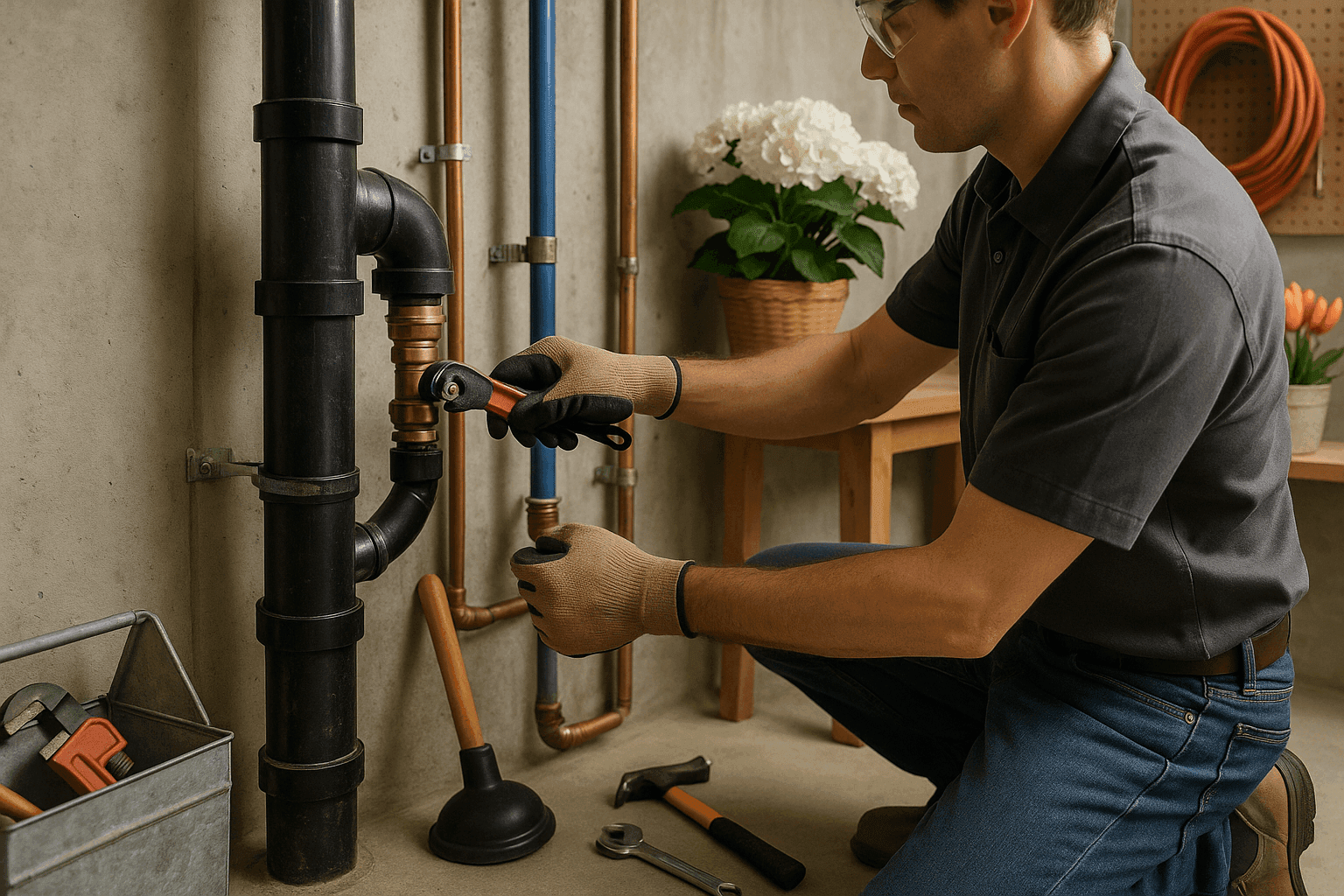
Is your plumbing ready for the seasons ahead? Most people don’t think about their pipes until water is rising around their ankles or a leak stains the ceiling. But a little effort now can save a lot of stress—and money—later.
At National Plumbing, we see it every year: frozen pipes, clogged drains, water heater surprises, and panicked calls for emergency plumbing. The good news? Most of these headaches are preventable. Here’s how you can keep your plumbing system running smoothly, season after season.
Why Seasonal Plumbing Maintenance Matters
Think of your plumbing like the circulatory system of your home or business. If something blocks the flow, or a pipe “vein” bursts, the whole body suffers. Seasonal maintenance is like a health check-up—catching small problems before they become emergencies.
Water expands when it freezes, pipes corrode quietly, and tree roots don’t take a vacation. Each season brings new risks. By staying ahead, you can avoid the domino effect that turns a minor drip into a major disaster.
Quick Safety Checklist 🛠️
Before you grab your wrench or call for help, run through this safety list:
- Shut off the water main before starting any big repair.
- Wear gloves and eye protection if dealing with chemicals or debris.
- Check for gas odors near water heaters or gas lines—leave immediately if you smell gas.
- Use a sturdy ladder for high fixtures or attic pipes.
- Know where your shut-off valves are (and make sure they work).
- Keep children and pets away from work areas.
Review the latest plumbing safety guidelines from the Occupational Safety and Health Administration (OSHA) and the International Association of Plumbing and Mechanical Officials (IAPMO) for more tips.
Spring: Wake Up Your Plumbing
When the ground thaws and flowers bloom, it’s time to check for winter’s hidden damage.
Key Tasks
- Inspect exposed pipes for cracks or leaks caused by freezing.
- Test outdoor faucets and hose bibs—look for leaks or weak flow.
- Clear gutters and downspouts to prevent water from pooling near your foundation.
- Flush your water heater to remove sediment buildup (can improve efficiency and extend life).
- Clean drains in kitchens and bathrooms to clear out gunk that built up over winter.
Watch For
- Unexplained puddles or damp spots.
- Low water pressure (could signal a leak or blockage).
- Strange odors from drains (may indicate a clog or sewer issue).
Summer: Prep for Heavy Use
Summer means more showers, laundry, and outdoor fun. Plumbing works overtime.
Key Tasks
- Check washing machine hoses for bulges or cracks.
- Inspect sprinkler systems for leaks or broken heads.
- Look under sinks for slow leaks or corrosion.
- Test sump pumps before heavy rain—pour water in the pit and make sure it turns on.
- Inspect garbage disposal for jams or odd noises.
Watch For
- Slow-draining sinks or tubs.
- Water pooling in the yard (could mean a broken pipe or irrigation leak).
- Hot water running out quickly (water heater may need attention).
Fall: Get Ready for Cold Weather
As temperatures drop, it’s time to protect your pipes from freezing and your system from seasonal stress.
Key Tasks
- Insulate exposed pipes in unheated areas (attics, garages, crawl spaces).
- Disconnect and drain garden hoses; shut off and drain outdoor faucets.
- Check your water heater for rust, leaks, or odd sounds.
- Inspect boiler systems if you use one for heating.
- Schedule backflow testing if required for your property.
Watch For
- Pipes near exterior walls—these freeze first.
- Unusual noises from water heaters or boilers.
- Dripping faucets (could be a sign of a bigger issue).
Winter: Defend Against Freezing
Winter is the season when emergency plumbing calls spike. A frozen pipe can burst and cause thousands in damage in minutes.
Key Tasks
- Let faucets drip during extreme cold to keep water moving.
- Open cabinet doors under sinks to let warm air reach pipes.
- Keep garage doors closed to protect supply lines in walls.
- Monitor water pressure—a sudden drop may mean a frozen pipe.
- Know how to shut off water quickly in case of a burst.
Watch For
- Frost on pipes.
- No water from faucets (could be frozen).
- Wet spots on walls or ceilings.
DIY vs. Call a Pro
Some plumbing maintenance is like mowing your own lawn; other jobs are more like climbing on the roof during a storm. Know your limits.
DIY-Friendly Tasks
- Cleaning faucet aerators and showerheads.
- Pouring enzyme-based cleaners down slow drains.
- Insulating exposed pipes with foam sleeves.
- Testing sump pumps with a bucket of water.
- Checking for visible leaks under sinks.
When to Call National Plumbing
- Persistent leaks or drips.
- Water stains on walls or ceilings.
- Sewer odors or slow drains throughout the house.
- Water heater problems—especially if you hear popping or see rust.
- Gas line concerns—always call a licensed professional.
Remember: Plumbing codes exist for a reason. According to the Uniform Plumbing Code (UPC), certain repairs and installations must be handled by certified professionals for safety and compliance.
What Pros Do On Arrival
When you call National Plumbing, here’s what you can expect:
- Thorough inspection: We check visible and hidden pipes, fixtures, and appliances.
- Leak detection: Using advanced tools, we find leaks behind walls or under floors.
- Pressure testing: Ensures your system isn’t under or over-pressurized.
- Drain inspection: We use cameras to spot blockages deep in your pipes.
- Safety checks: Gas lines, water heaters, and backflow prevention devices are tested for safe operation.
- Clear explanations: We explain what we find and recommend only what you need.
Prevention & Maintenance: Year-Round Habits
A few simple habits can keep your plumbing humming all year:
- Don’t pour grease down the drain—it solidifies and blocks pipes.
- Use drain strainers to catch hair and debris.
- Fix drips quickly—even a slow leak can waste thousands of gallons a year.
- Know your system: Label shut-off valves and keep maintenance records.
- Schedule annual inspections—even if nothing seems wrong.
The Environmental Protection Agency (EPA) recommends checking for leaks regularly and replacing old fixtures with water-saving models to cut costs and reduce water waste.
Costs & Time Factors
Routine maintenance is usually quick and affordable—think of it like an oil change for your car. Most seasonal checks take an hour or two. Small repairs (like fixing a leaky faucet or clearing a slow drain) can often be done in under an hour.
Major issues—such as burst pipes, sewer line repairs, or gas line problems—take longer and cost more. Emergency plumbing calls, especially outside regular hours, can add to the bill. Preventative care costs far less than repairing water damage or replacing ruined flooring.
When It’s an Emergency
Not every plumbing problem can wait. Here’s when to pick up the phone right away:
- Water is pouring out of a pipe or ceiling.
- You smell gas near appliances or pipes.
- Sewage is backing up into sinks, tubs, or toilets.
- No water at all (and you’ve checked the main valve).
- Flooded basement or crawl space.
In these moments, speed matters. Shut off your water main if you can do so safely, then call National Plumbing for emergency plumbing help.
FAQ
How often should I schedule plumbing maintenance?
At least once a year. But after a harsh winter or before selling your property, a professional check-up is smart.
Can I use chemical drain cleaners?
Avoid harsh chemicals—they can corrode pipes and harm the environment. Use enzyme-based cleaners or call a plumber if clogs persist.
What are early warning signs of plumbing trouble?
Unexplained spikes in water bills, slow drains, water stains, or odd noises from pipes are all red flags.
Is it safe to repair gas lines myself?
Never. Gas line work requires special training and certification. Always call a licensed professional.
Special Considerations for Your Property
Older homes and buildings may have outdated plumbing, lead pipes, or poor insulation. If you notice frequent leaks, low water pressure, or rusty water, it could be time for repiping or pipe repair. Small business owners should also schedule regular backflow testing and water pressure checks, especially if you serve food or have public restrooms.
Remember, plumbing codes and safety guidelines exist to protect you, your family, and your customers. Following them isn’t just about compliance—it’s about peace of mind.
Call National Plumbing now — or reach us anytime at 844-484-2680 .