Ultimate Guide to Preventing Plumbing Emergencies Year-Round
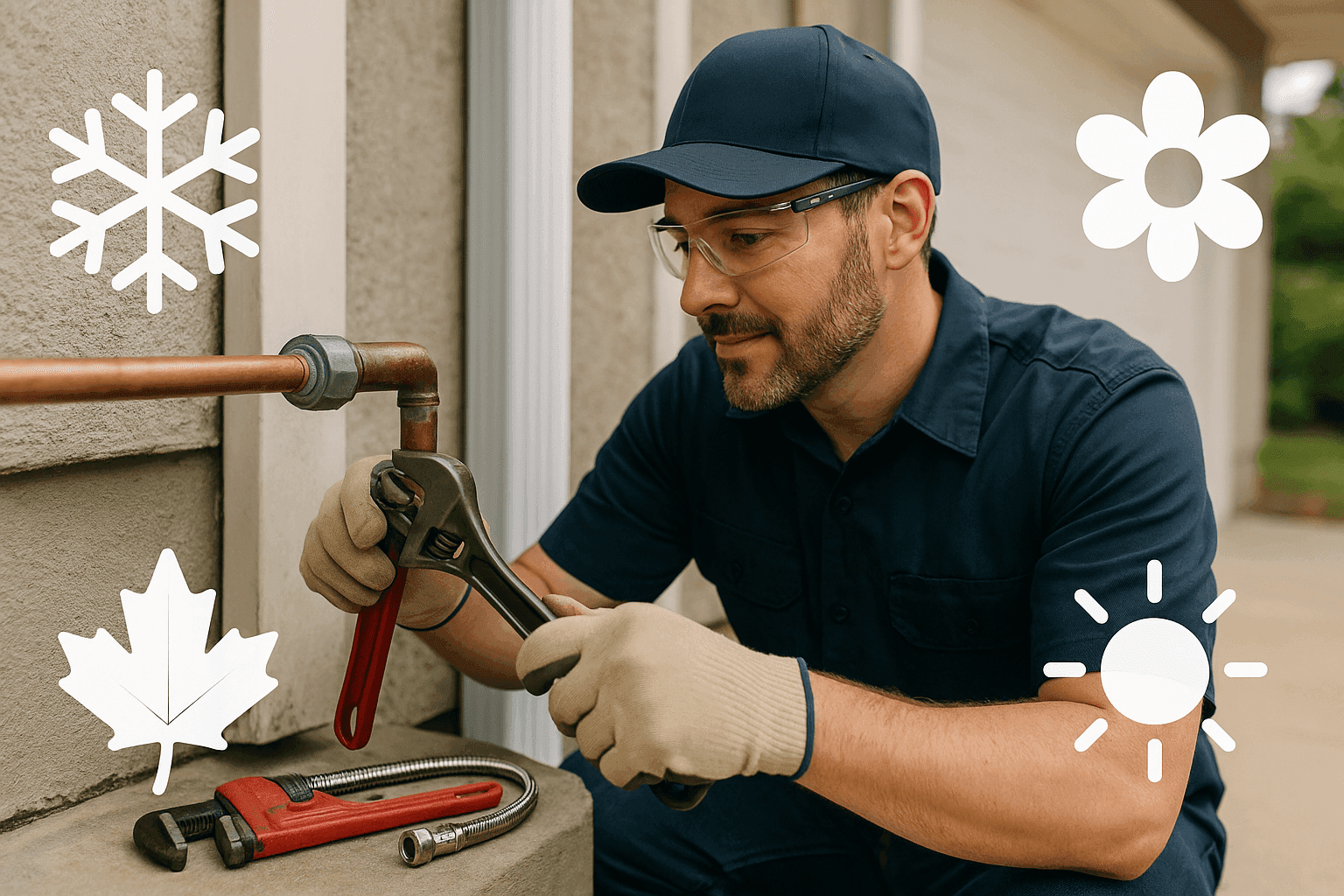
When a pipe bursts or a toilet overflows at midnight, it can feel like your home (or business) is turning against you. Plumbing emergencies don’t wait for a convenient time. They strike fast, and the damage can add up just as quickly.
At National Plumbing, we’ve seen firsthand how a little preparation can save a lot of stress—and money. This guide breaks down what you can do, season by season, to keep your plumbing in check. We'll also help you spot trouble early and know when it’s time to call in the pros.
Understanding Common Plumbing Emergencies 🚨
Plumbing emergencies are like surprise storms. They can show up suddenly and cause chaos if you’re not ready. Here are the most common issues that catch homeowners and small business owners off guard:
- Leaks: A dripping faucet is annoying, but a hidden pipe leak can cause mold, rot, and sky-high water bills.
- Clogs: Whether it’s a slow-draining sink or a toilet that won’t flush, clogs can grind daily life to a halt.
- Burst Pipes: In cold weather, water in pipes can freeze and expand, causing pipes to crack open.
- Water Heater Failures: No hot water on a cold morning? Water heater breakdowns can be both uncomfortable and dangerous.
- Sewer Backups: When wastewater flows the wrong way, it’s not just gross—it’s a health hazard.
- Gas Leaks: Smelling gas or hearing a hissing sound near your gas line? That’s an emergency that demands immediate action.
According to the International Association of Certified Home Inspectors (InterNACHI), water damage from plumbing failures is one of the leading causes of property loss. The good news? Most emergencies start with small warning signs.
Seasonal Maintenance Tips
Your plumbing system works hard all year. Each season brings unique challenges—like frozen pipes in winter or heavy rain in spring. Here’s how to keep things flowing smoothly, no matter the season.
Winter: Protect Against Freezing
Cold snaps can turn water pipes into ticking time bombs. Here’s how to keep them safe:
- Insulate Exposed Pipes: Wrap pipes in unheated areas (like basements or crawlspaces) with foam insulation sleeves.
- Let Faucets Drip: On bitter nights, let a trickle of water run. Moving water is less likely to freeze.
- Seal Drafts: Close gaps near pipes to block cold air. Weatherstripping and caulk are your friends.
- Know Your Main Shutoff: If a pipe does burst, shutting off the water fast can limit the damage.
Spring: Check for Damage and Prepare for Rain
Melting snow and spring showers can reveal hidden plumbing issues.
- Inspect for Leaks: Look under sinks and around water heaters for drips or puddles.
- Test Sump Pumps: Pour water into the sump pit. If the pump doesn’t kick on, it’s time for a repair.
- Clean Gutters and Downspouts: Make sure water flows away from your foundation.
- Check Outdoor Faucets: Freeze damage can cause leaks that go unnoticed until spring.
Summer: Watch for Clogs and Overuse
More showers, laundry, and outdoor activities can strain your plumbing.
- Clear Slow Drains: Use a plunger or a drain snake for minor clogs. Avoid chemical drain cleaners—they can eat away at pipes.
- Inspect Sprinkler Systems: Look for soggy patches in the yard, a sign of leaks.
- Check for Toilet Leaks: Add a few drops of food coloring to the tank. If it appears in the bowl, you have a leak.
Fall: Prepare for Colder Weather
A little effort in the fall can prevent winter disasters.
- Disconnect Outdoor Hoses: Water left in hoses can freeze and burst the faucet.
- Flush Water Heater: Sediment buildup reduces efficiency and can cause damage.
- Schedule Backflow Testing: Prevent contaminated water from entering your supply.
- Inspect Sewer Lines: Tree roots love to invade sewer pipes. A professional inspection can catch problems early.
Emergency Preparedness: What To Do If Trouble Strikes
Even with the best care, emergencies can happen. Here’s how to stay calm and minimize damage:
Quick Safety Checklist
- Shut Off the Water: Know where your main shutoff valve is. Practice turning it off before you need to.
- Turn Off Electricity: If water is near outlets or appliances, shut off power at the breaker.
- Contain the Leak: Use buckets, towels, or even pots to catch water.
- Ventilate: Open windows to reduce moisture and prevent mold.
- Call for Help: For gas leaks, leave the building immediately and call emergency services. For major water leaks, reach out to a professional plumber.
Remember, safety comes first. Don’t risk injury to save a few minutes.
When to Call a Professional Plumber
Some plumbing problems are like weeds—they look small but can grow out of control fast. Here’s when it’s time to put down the wrench and call National Plumbing:
- Persistent or Worsening Leaks: If you can’t stop a leak with basic tightening or patching, you need a pro.
- Water Stains or Mold: Stains on ceilings or walls mean water is getting where it shouldn’t.
- No Water or Hot Water: Sudden loss of water usually signals a bigger issue.
- Sewer Smells: A constant sewage odor points to a broken or blocked sewer line.
- Gas Smell: Any hint of gas is an emergency. Evacuate and call for help immediately.
- Repeated Clogs: If plunging isn’t enough, something deeper is wrong.
Trying to fix these problems yourself can make things worse or even dangerous. Licensed plumbers follow safety codes like those from the Uniform Plumbing Code (UPC) and the National Standard Plumbing Code (NSPC) to protect your property and your health.
Recognizing Early Warning Signs
Spotting trouble early is half the battle. Here’s what to watch for:
- Unusual Noises: Banging pipes, gurgling drains, or whistling sounds can signal air in the lines or blockages.
- Slow Drains: One slow drain is annoying. Multiple slow drains can mean a bigger problem in the main line.
- Low Water Pressure: This can be caused by leaks, buildup, or a failing pressure regulator.
- Rusty Water: Brown or yellow water signals corrosion or sediment in your pipes or water heater.
- Unexplained Wet Spots: Puddles on floors or in the yard can mean an underground leak.
If you notice any of these signs, act quickly. The sooner you address them, the less likely you’ll face a full-blown emergency.
Simple Maintenance Tasks You Can Do
You don’t need a toolbox full of gadgets to keep your plumbing healthy. Here are a few easy habits:
- Clean Drain Stoppers: Hair and soap scum build up fast. Remove and clean stoppers monthly.
- Run Water in Unused Fixtures: Prevent sewer gas smells by running water in guest bathrooms or unused sinks.
- Check Water Pressure: Use a pressure gauge (available at hardware stores). Ideal range: 40–60 psi.
- Replace Old Hoses: Washing machine hoses can burst after a few years. Swap them out for braided stainless steel.
- Test Toilet Flappers: If your toilet runs, replace the flapper to save water and prevent overflows.
What to Expect When a Professional Arrives
When you call National Plumbing for emergency plumbing, here’s what typically happens:
- Assessment: We’ll inspect the problem area and check for related issues.
- Containment: First, we stop the immediate leak or problem to prevent further damage.
- Diagnosis: Using tools like moisture meters, video cameras, and pressure gauges, we find the root cause.
- Repairs: We follow local plumbing codes and industry standards for safety and reliability.
- Cleanup: We’ll clean up any mess made during repairs and advise you on next steps.
Our team stays up-to-date on the latest safety standards from organizations like the Occupational Safety and Health Administration (OSHA) and the American Society of Plumbing Engineers (ASPE).
Costs & Time Factors
Plumbing emergencies can range from a quick fix to a major project. Here’s what affects the cost and time:
- Severity: A small leak may take an hour. A burst pipe or sewer backup can take several hours or more.
- Accessibility: Pipes behind walls or under slabs are harder to reach and take longer to repair.
- Parts Needed: Some repairs require special parts or tools, which can add time.
- After-Hours Service: Emergency plumbing outside of regular business hours may cost more.
Investing in regular maintenance can help avoid those big, unexpected expenses.
When It’s Truly an Emergency
Not every drip is a disaster. But here are signs you have a real emergency on your hands:
- Flooding: Water pouring in can quickly cause thousands in damage.
- No Water: If your home or business loses water entirely, it’s urgent.
- Sewage Backup: Any wastewater coming up through drains is a health risk.
- Gas Leak: If you smell gas, get out and call emergency services.
If you’re unsure, it’s always safer to call and ask.
FAQ
What’s the most common cause of plumbing emergencies?
Clogs and leaks top the list. Often, they start as small problems—like a slow drain or a tiny drip—that get ignored until they become urgent.
Can I use chemical drain cleaners for clogs?
It’s best to avoid them. Chemical cleaners can damage pipes and harm the environment. Mechanical methods like plungers or drain snakes are safer.
How often should I have my plumbing inspected?
A yearly inspection by a licensed plumber can catch many issues before they turn into emergencies.
What should I do if I suspect a gas leak?
Leave the building immediately. Do not turn on lights or use electronics. Call emergency services and a professional plumber from a safe location.
Special Considerations for Homeowners and Small Business Owners
Every property is unique. If you own a home, keep an eye on aging fixtures and pipes—especially if your house is more than 20 years old. Small business owners should schedule regular plumbing checks, especially if your business relies on restrooms or commercial kitchens.
Preventative maintenance isn’t just about avoiding emergencies. It’s about peace of mind, protecting your investment, and keeping life (and business) running smoothly.
Call National Plumbing now — or reach us anytime at 844-484-2680 .